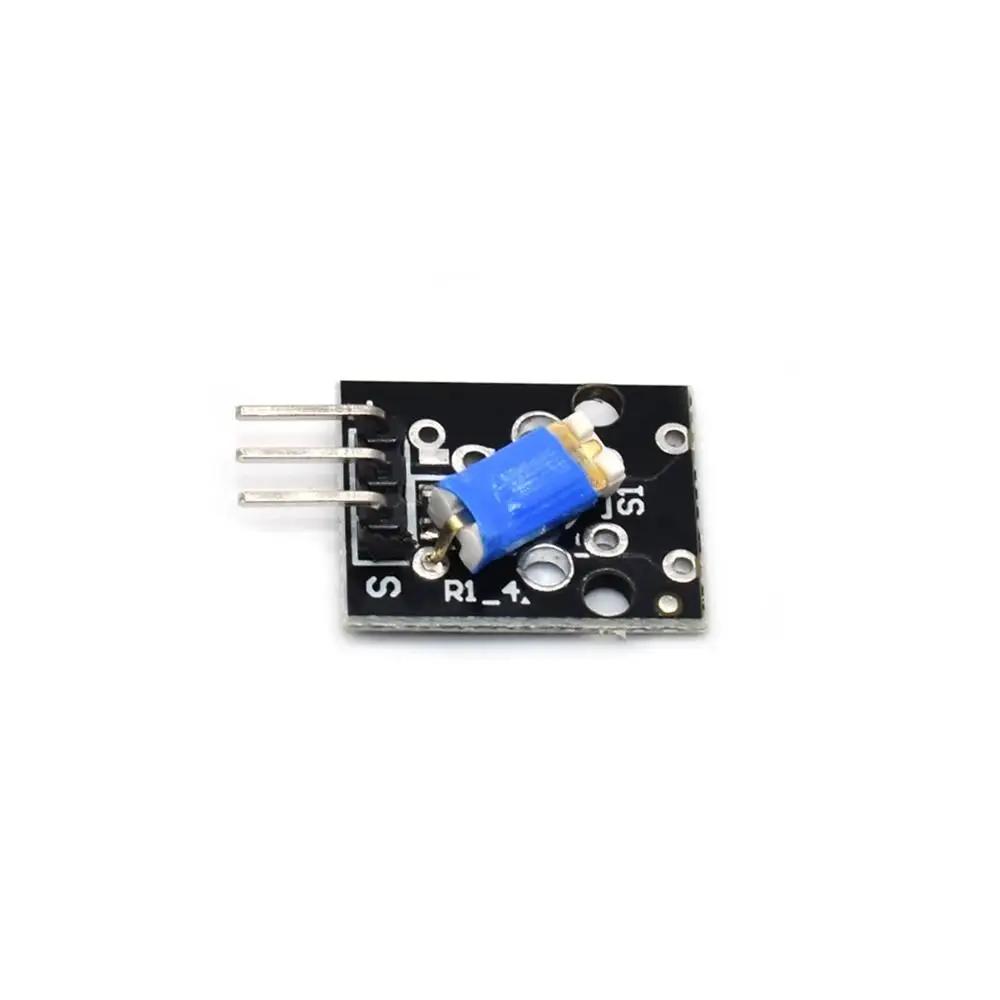
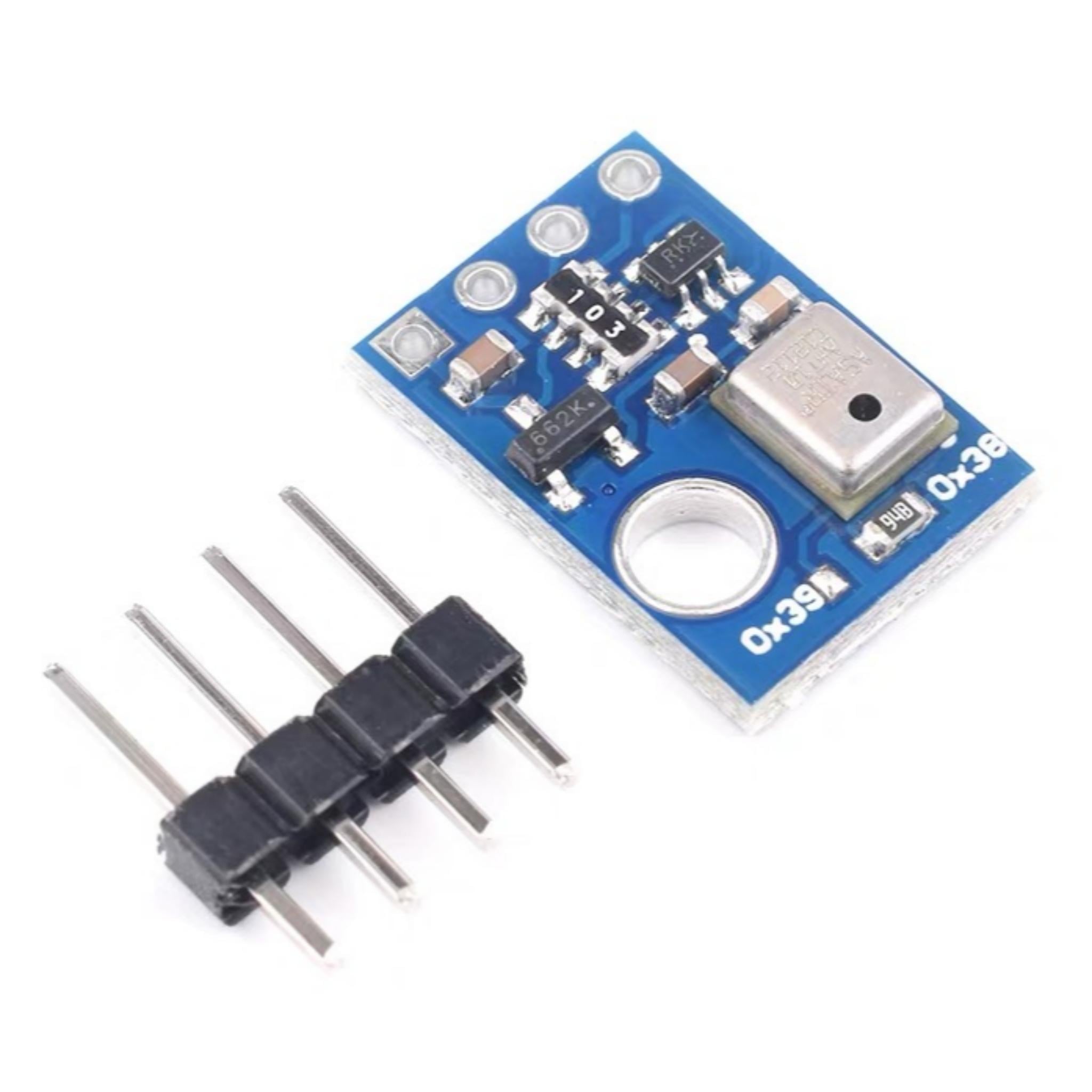
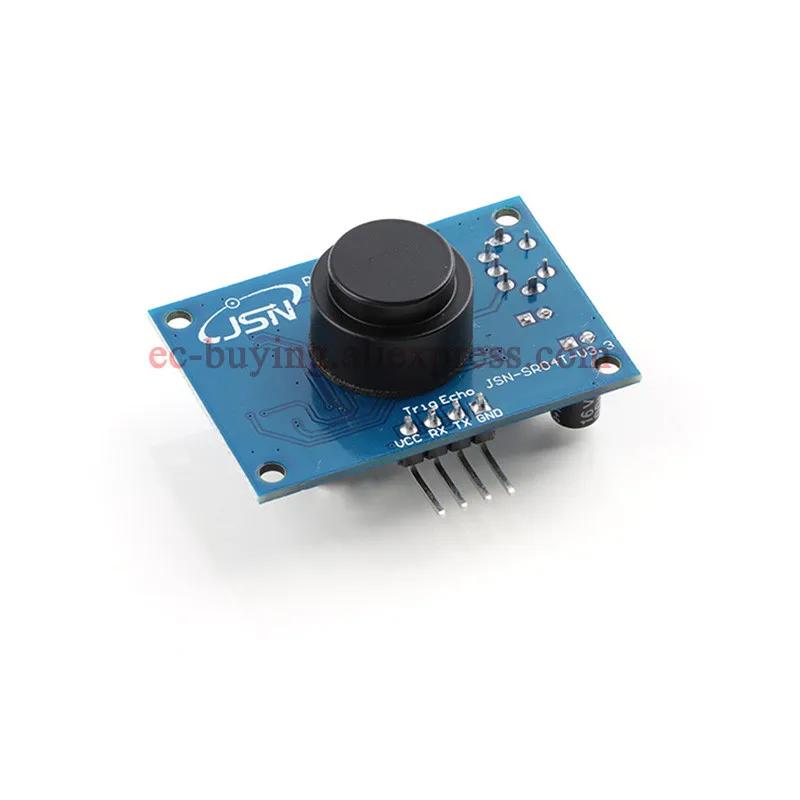
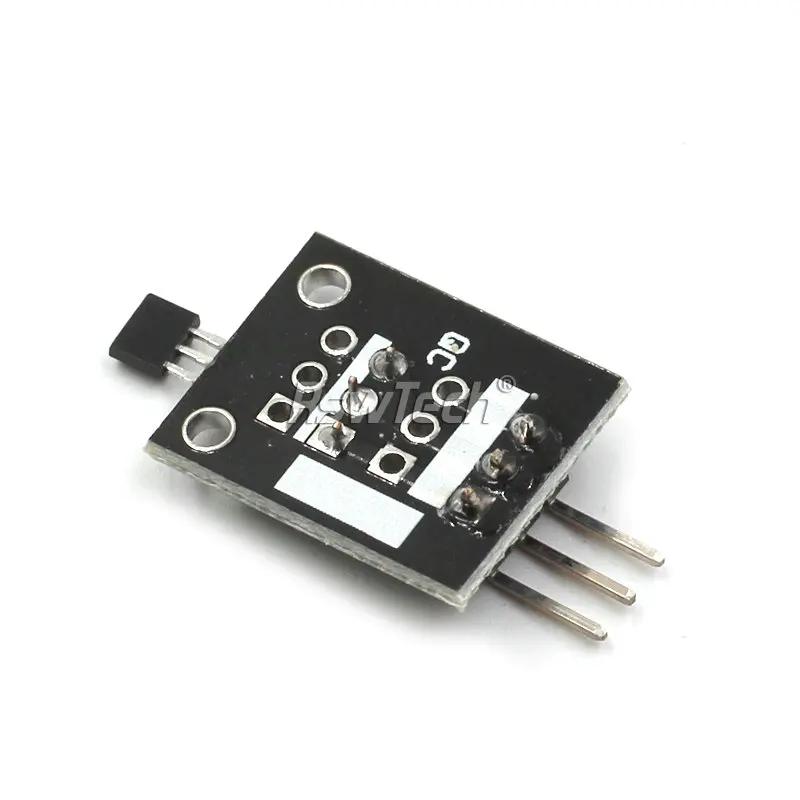
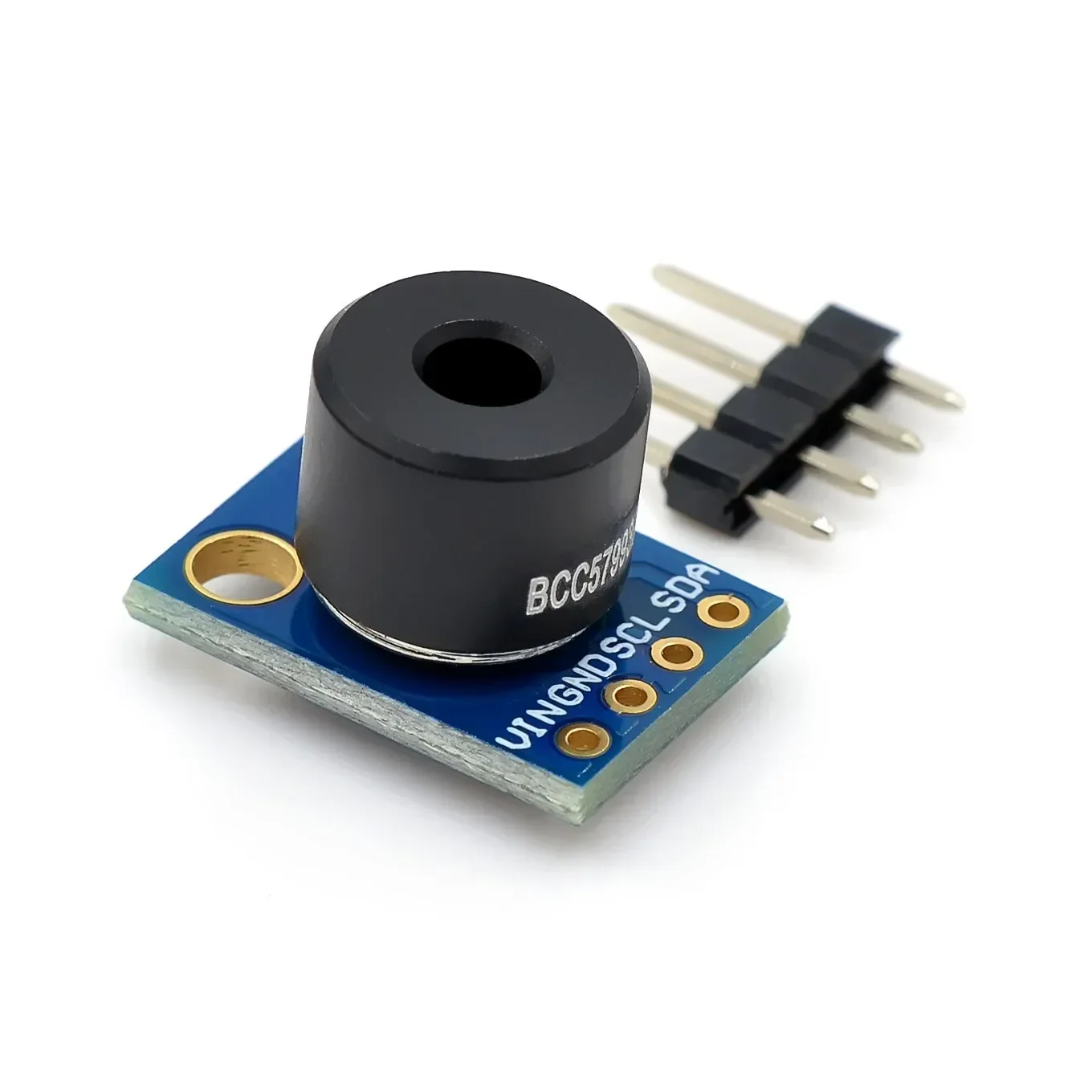
SW-420 Vibration Sensor for ArduinoSW-420 vibration sensor for Arduino is a cost-effective module consisting of SW-420 and Comparator LM393. The module is embedded with an SW-420 Vibration Sensor, a 10K potentiometer to alter the sensitivity, and an LM393 comparator that produces a smooth digital output.Features & SpecificationsOperating Voltage: 3.3 Volts – 5.0 Volts DCCurrent driving Capability: 15 mAVibration Sensor module dimensions: 3.2cm x 1.4cmThe vibration sensor is a close-type switch by default.An internal 10K potentiometer is given to calibrate the sensitivity of the sensor.A low-power voltage LM393 comparator chip to binarize the analog signal and has a driving ability of 15 mA is provided in the sensor.SW-420 also has two status LEDs for power and output indication.The module has a fixed bolt for easy installation.It is microcontroller-friendly and can be interfaced with any of them. What is a vibration sensor?A vibration sensor is a device that measures the amount and frequency of vibration in a given system, machine, or piece of equipment. Those measurements can be used to detect imbalances or other issues in the asset and predict future breakdowns.How do vibration sensors work?A vibration sensor either connects directly to an asset or monitors it wirelessly. Once placed, it will detect vibrations from the asset through various means, depending on the type of sensor (more on that below). Over time, you’ll get two types of data from the device:FrequencyThe first type of data is the frequency, or how often the vibration occurs. By tracking when spikes in vibration happen in a given asset, you’ll be able to pinpoint root causes.IntensityThe second point of data you’ll get is the intensity of the vibration as it occurs. The more vibration you have from a piece of equipment, the higher the intensity measurements will be. As these two types of data are collected, your CMMS will log them into the asset’s history, which can then be used as a point of comparison. As malfunctions occur, they’ll reflect in the data, and your system will be able to predict future failures and malfunctions by comparing the current data with past trends.Click Sensors to view our other sensors at robotechbd.comRelated video: Arduino Project: Vibration sensor tutorial, Vibration measurement, vibration detector “SW 420”